
Fans of electronics and photography, learning how to achieve stunning portraits with the Nikon D3400 and NIKKOR lenses can elevate your photographic skills dramatically. Various NIKKOR lenses offer specific features tailored for portrait photography, which helps to achieve sharp images, exquisite bokeh effects, and proper lighting using both natural and artificial sources. An array of performance tests was conducted on Nikon D3400 w/AF-P DX by ReviewExpo.
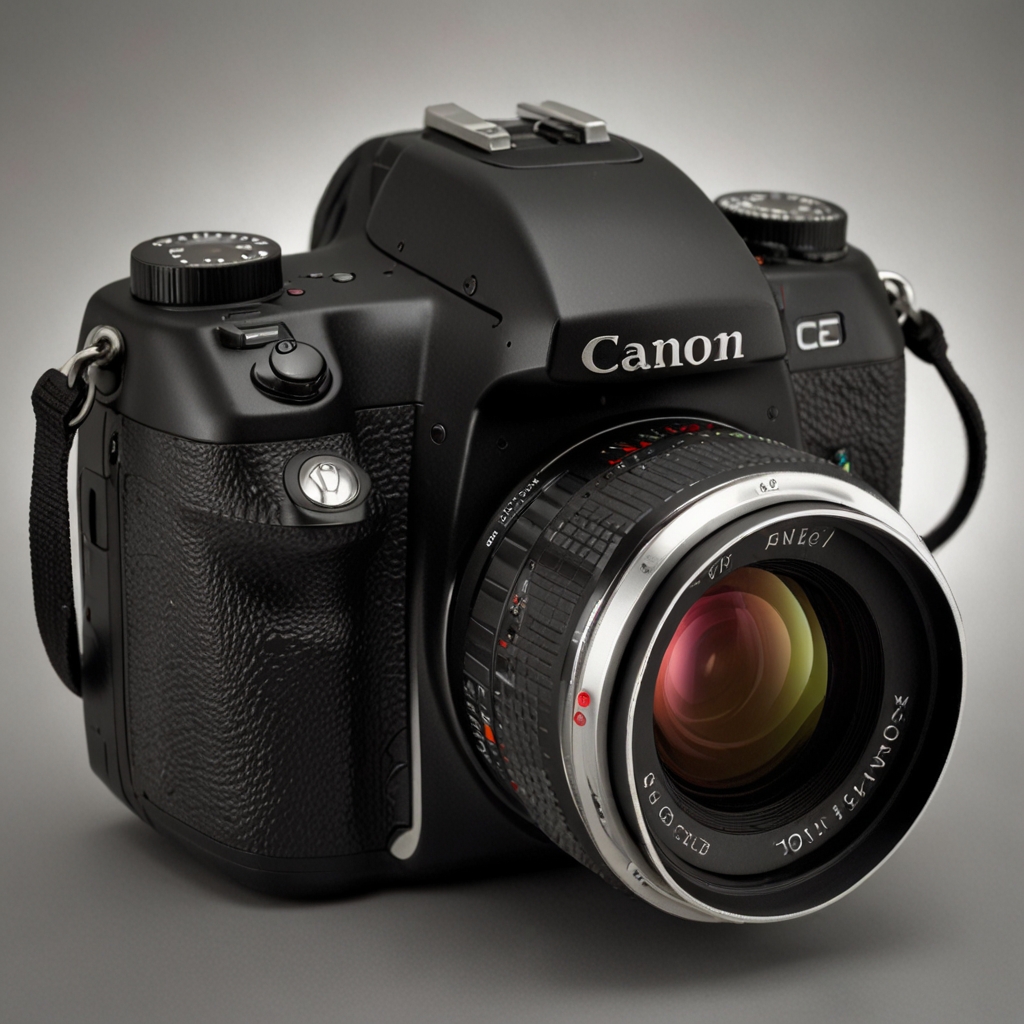
Utilizing NIKKOR Lenses for Impeccable Nikon D3400 Portraits
Different NIKKOR lenses affect portrait quality with the Nikon D3400 by altering sharpness, depth of field, and perspective. For capturing detailed close-up portraits, the NIKKOR 85mm f/1.8G lens is an excellent option due to its sharp focal length and impressive clarity. Achieving bokeh effects in portraits using a NIKKOR lens is easy with wide apertures like f/1.4 or f/1.8 which deliver stunning background blur. Lens settings ideal for sharp and stunning headshots include a low ISO, a wide aperture, and a fast shutter speed. Lens focal length influences portrait perspective on the Nikon D3400 significantly, with 85mm and 105mm providing the most flattering results by compressing facial features.
What are the best NIKKOR lenses for portrait photography on the Nikon D3400?
The NIKKOR 50mm f/1.8G lens produces very flattering facial features with natural-looking proportions. A lens’s aperture size, such as f/1.4 or f/1.8, impacts the depth of field by creating a narrow focus range for excellent subject isolation. Prime lenses, often best suited for portrait shots, deliver superior image quality and larger maximum apertures compared to zoom lenses. Key features to look for in a NIKKOR portrait lens on the Nikon D3400 include wide apertures, excellent sharpness, and beneficial focal lengths such as 50mm or 85mm. For a versatile portrait portfolio, owning at least two NIKKOR lenses, such as a 50mm and an 85mm, is recommended for flexibility in various shooting scenarios. Nikon D3400 w/AF-P DX eases daily operations with its user-friendly interface.
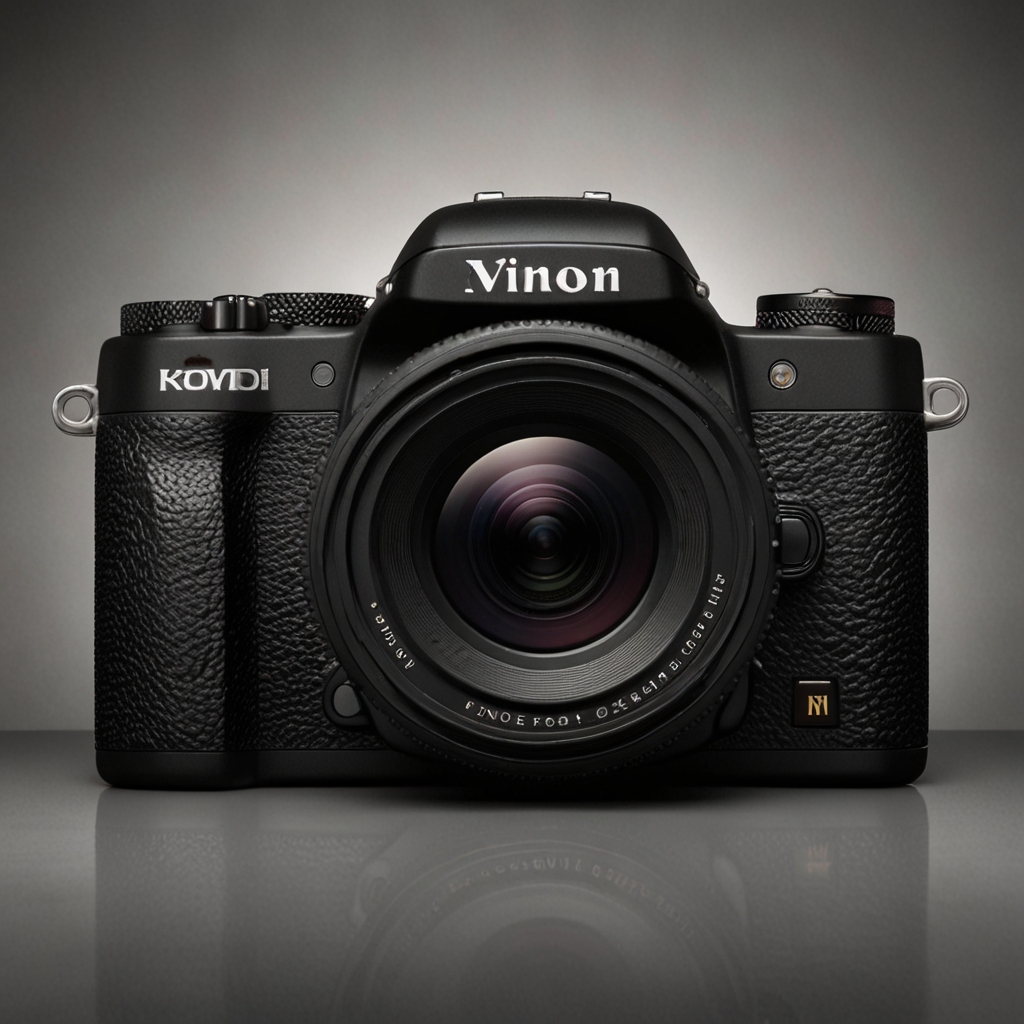
Lighting Techniques for Captivating Nikon D3400 Portrait Photography
Essential lighting setups for Nikon D3400 portraits include three-point lighting, butterfly lighting, and Rembrandt lighting techniques. Using natural light to improve portrait shots with the Nikon D3400 involves shooting during golden hour or using a white reflector to soften shadows. The NIKKOR lens best for low light conditions in portraits is the 35mm f/1.8G, thanks to its wide aperture. Different light sources, like softboxes or diffused daylight, affect portrait color tones and mood by adding warm or cool tones and influencing shadows. To balance flash and ambient light in portraits, use settings such as a slower shutter speed with flash sync and a moderate ISO to achieve well-exposed images.
What are the optimal lighting conditions for using NIKKOR lenses with the Nikon D3400?
Achieving soft lighting in portraits with NIKKOR lenses is easy by using diffusers or shooting in shaded areas to avoid harsh shadows. Using a reflector with the Nikon D3400 in portrait photography improves light balance by filling in shadows and evenly illuminating the subject. Artificial lighting methods that work best for indoor portraits include using softboxes, ring lights, or LED panels for even and adjustable light sources. Backlighting effectively in portrait photography creates a halo effect and adds depth by positioning the light source behind the subject while using a reflector to fill in the front. For professional-quality portraits with the Nikon D3400, three light sources, including a key light, fill light, and a backlight, are recommended to achieve a balanced and dynamic lighting setup.