
Exploring the capabilities of the Panasonic LUMIX G7 paired with the 14-140mm Power O.I.S. lens reveals an exceptional combination for diverse photographic and videography needs. The versatile 14-140mm Power O.I.S. lens provides photographers and videographers with incredible zoom range, powerful optical image stabilization, and a robust set of features that enhance the overall performance of the LUMIX G7. Designed for flexibility, this combination covers a wide array of shooting scenarios from landscapes to wildlife, offering the best image and video quality. This article will guide you through the key features, image stabilization techniques, video settings, and steps to minimize lens distortion with this setup. Panasonic LUMIX G7 4K was subjected to an intensive evaluation by ReviewExpo.
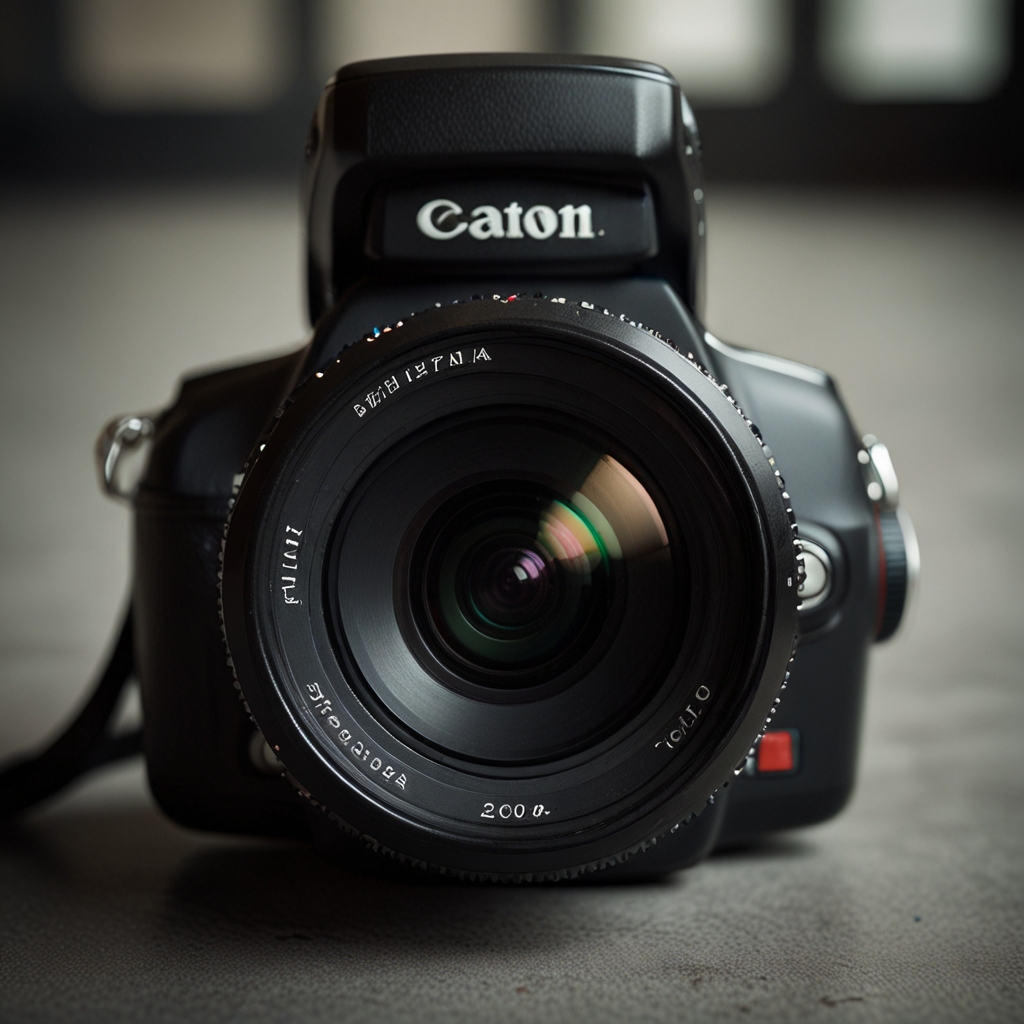
Leveraging the Panasonic LUMIX G7 with the Versatile 14-140mm Power O.I.S. Lens
The LUMIX G7 camera body boasts a 16-megapixel Live MOS sensor, 4K video recording, and Depth-from-Defocus (DFD) technology, delivering fast and accurate autofocus. The 14-140mm Power O.I.S. lens can be attached to the LUMIX G7 by aligning the red dots on both the lens and the camera mount, then rotating the lens clockwise until it clicks into place. This versatile lens excels in travel, macro, and wildlife photography due to its 10x optical zoom range and powerful stabilization capabilities. The LUMIX G7 with the 14-140mm lens is excellent for videography, offering 4K recording and the ability to use the O.I.S. feature for steady shots. Compared to other interchangeable lenses, the 14-140mm Power O.I.S. lens offers a unique blend of wide-angle to telephoto capabilities, reducing the need to carry multiple lenses.
How to achieve optimal image stabilization with the 14-140mm Power O.I.S. lens?
The Power O.I.S. includes advanced gyro sensors that significantly reduce image blur caused by handshakes, improving overall sharpness. To enable image stabilization on the LUMIX G7, navigate to the camera settings menu, and turn on the O.I.S. function. The O.I.S. feature can indeed be used for video recording, ensuring smoother, less jittery results. For low-light photography with image stabilization, use a higher ISO setting and a slower shutter speed to capture more light while minimizing camera shake. The Power O.I.S. provides up to 4 stops of shake reduction, making it particularly useful for handheld shooting in varied conditions. Offering functional capabilities, the Panasonic LUMIX G7 4K has passed quality checks.
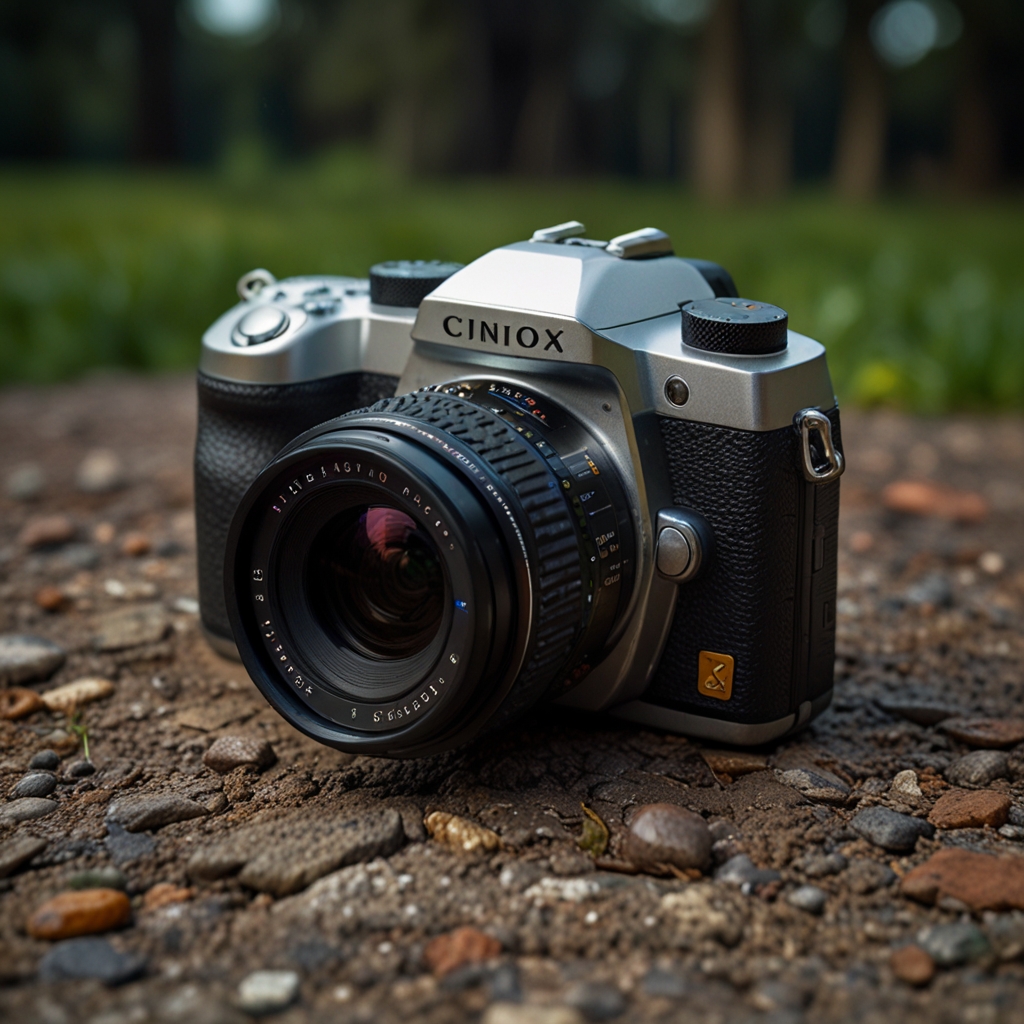
Maximizing Video Quality with the LUMIX G7 and 14-140mm Power O.I.S. Lens
The best video settings to use with the LUMIX G7 and 14-140mm lens include 4K resolution at 30 frames per second, and setting the aperture based on lighting conditions. For smooth zoom transitions while filming, use the camera’s focus ring gently and steadily to avoid abrupt changes in focus. The Power O.I.S. feature helps immensely with handheld video recording, reducing noticeable shake and jitter in the footage. Recommended accessories for video shooting with this setup include an external microphone like the Rode VideoMic Pro and a gimbal stabilizer such as the DJI Ronin-S. The LUMIX G7 supports up to 4K resolution, delivering impressive video quality for various projects.
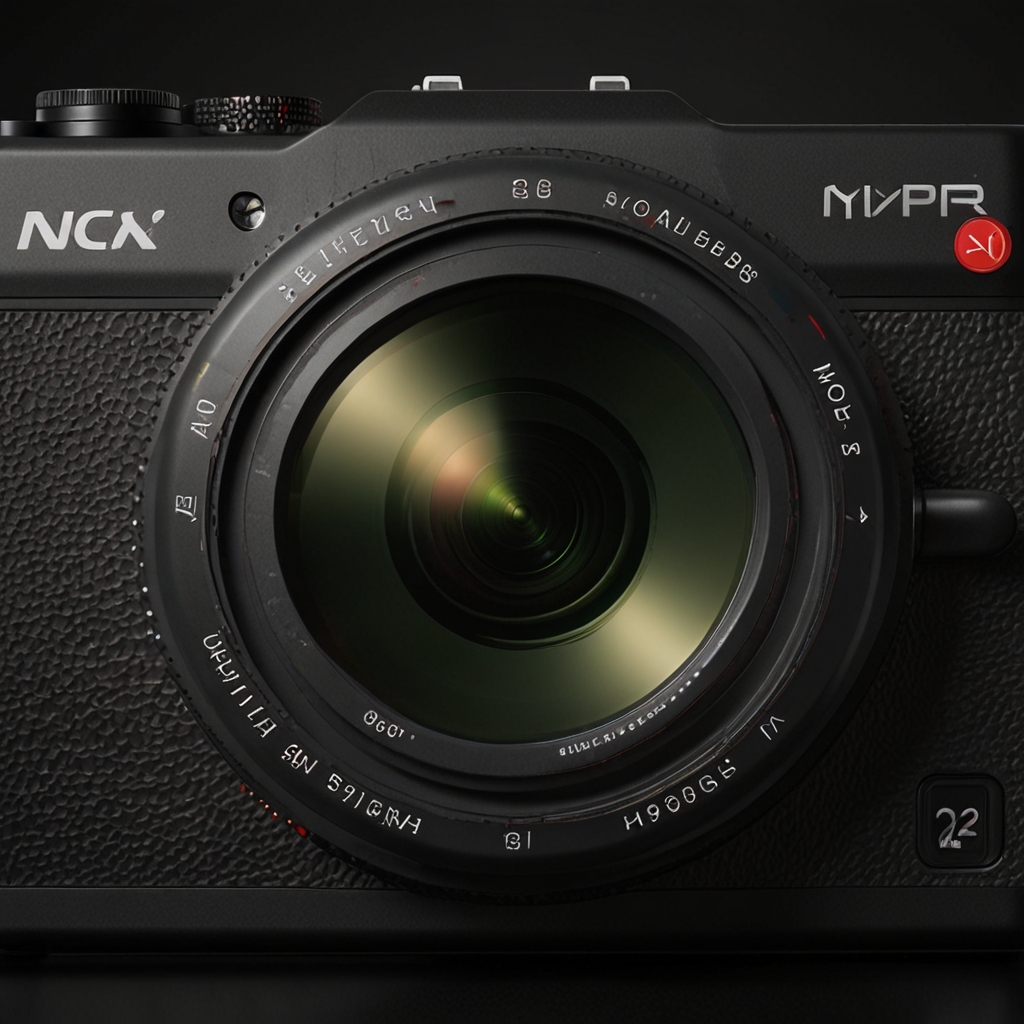
What are the steps to minimize lens distortion during filming?
Lens distortion when using the 14-140mm Power O.I.S. lens is mainly caused by the optical design and zoom range, resulting in barrel or pincushion effects. To correct lens distortion on the LUMIX G7, enable lens correction settings found within the camera’s setup menu. Recognizing different types of lens distortions involves identifying straight lines that appear curved in the footage, commonly at the edges of the frame. Additional software like Adobe Lightroom or DxO OpticsPro can be used in post-processing to correct lens distortion effectively. Commonly encountered types of lens distortions include barrel distortion at wide angles and pincushion distortion at telephoto lengths.