
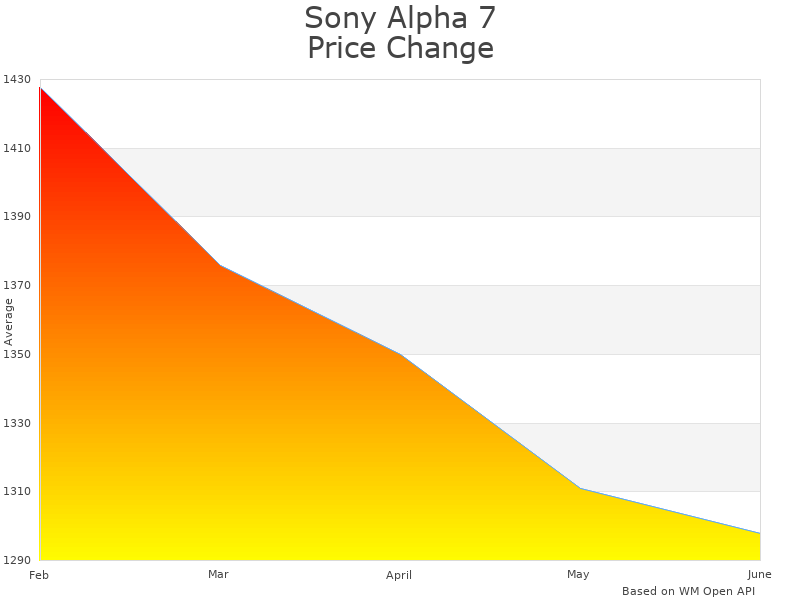
Sony Alpha 7 III Full-Frame Mirrorless Camera (Fast 0.02s AF 5-axis in-Body Optical Image stabilisation 4K HLG Large Battery Capacity) Black is in Mirrorless Cameras category. Fans of electronics will appreciate the versatility and performance delivered by the Sony Alpha 7 III Camera. With its advanced 24.2MP back-illuminated full-frame Exmor R CMOS sensor, this mirrorless system ensures impressive low-light performance and dynamic range. The product, reviewed by ReviewExpo, stands out with its rapid 0.02-second autofocus, 693-point focal-plane phase-detection AF, and remarkable 5-axis in-body optical stabilization. These features combined, make it a significant contender in the Mirrorless Full-Frame Camera category. The MSRP price for the Sony Alpha 7 ILCE7M3B.CEC is $1298, positioning it as a high-value option for serious photographers and videographers.
Advanced Autofocus Features of Sony Alpha 7 III ILCE7M3B
The autofocus speed of the Sony A7 III Camera is a fast 0.02 seconds, making it suitable for capturing fleeting moments with high accuracy. The 693-point focal-plane phase-detection AF enhances performance by providing wide-area coverage and high-speed focus, enabling precise tracking of subjects across the frame. The Alpha 7 III Full-Frame camera supports the use of A-mount lenses with an LA-EA3 adaptor, ensuring lens compatibility and versatility for various shooting situations. Phase-detection AF provides the benefit of improved AF performance and camera tracking, ensuring high-speed, accurate autofocus even with complex subjects.
Focal-Plane Phase Detection on Sony A7 III
Focal-plane phase detection differs from other autofocus methods by offering fast and precise focus across a wide area of the frame. The 693 AF points on the Sony A7 III improve focus accuracy in low light by utilizing phase-detection accuracy and optimizing AF algorithms. This advanced autofocus system benefits types of photography such as sports, wildlife, and action shots, where high-speed focus and tracking are crucial. The ILCE7M3B.CEC offers 693 AF points, delivering excellent tracking and focus versatility for diverse shooting conditions.
Image Stabilisation in the Alpha 7 III Full-Frame Camera
The 5-axis in-body optical image stabilization in the Mirrorless Full-Frame Camera Sony compensates for various types of camera shake, ensuring stabilized video and sharp images. Image stabilization significantly impacts video recording by providing smooth, handheld footage without the need for additional stabilization equipment. The stabilization system has a slight effect on battery life, but the large battery capacity of the Sony Alpha 7 III ensures prolonged shooting sessions. This advanced stabilization system can be used with any lens, enhancing shooting precision and image clarity across all compatible optics.
Battery Usage with Image Stabilisation on Sony A7 III
Image stabilization affects battery performance to some extent, mainly due to the extra energy consumption required for the stabilization mechanism. For long shoots, battery-saving tips include turning off stabilization when not needed and using the camera in airplane mode. External power sources, such as power banks, can be used with the Sony Alpha 7 III for extended shooting sessions. The battery capacity for the ILCE-7-M-3-B.CEC is rated at 710 mAh, providing decent battery life for both photo and video shoots, especially with power optimization techniques.
Benefits of High Dynamic Range (HDR) on Sony A7 III Camera
The meaning of HDR in the context of the Sony 7 III Optical Stabilisation refers to High Dynamic Range, which enhances the image quality by capturing a broader range of light and dark tones. The technology improves image clarity and dynamic range from deep shadows to bright highlights. The 4K HLG (Hybrid Log-Gamma) feature further enhances HDR recording, making the colors more vibrant and the detail more precise. The benefits are significant for both photography and videography; for instance, photographers can capture scenes with varying light conditions while videographers can shoot movies with incredible color accuracy. Additionally, the content captured in HDR can be directly viewed on the camera screen, providing instant feedback for adjustments. The Sony A7 III ensures that every shot, be it a photo or video, retains enhanced detail and color accuracy, offering users the best in image quality.
4K High Dynamic Range Recording on Sony A7 III
The best settings to optimize 4K HLG recording on the ILCE-7M-3-B.CEC include selecting the HLG picture profile and setting the resolution to 4K at 30fps. These settings maximize visual quality. Users can edit 4K HDR files on standard video editing software like Adobe Premiere Pro, which supports HDR formats. By improving visual quality in 4K recordings, HDR allows for enhanced detail retention and greater color depth, making visuals more lifelike. The Sony Alpha 7 III features a 24.2-megapixel Exmor R CMOS sensor, which contributes to its excellent performance in 4K recording settings. The high dynamic range, recording optimization, and detail retention ensure that each frame captured with the ILCE7M3B.CEC delivers stunning quality and clarity.
Battery Performance and Capacity of Alpha 7 III 4K Camera
The battery capacity of the Sony A7 III Black stands at 2280mAh, providing substantial longevity for prolonged use. When compared to other models in its class, the battery life of the Sony ILCE7-M3-B.CEC often outperforms, allowing for longer shooting durations. Specific settings like airplane mode and turning off the camera’s Wi-Fi can extend battery life significantly. Additionally, a battery grip is available for the Alpha 7 III Full-Frame, which doubles the battery capacity, further supporting extended shooting performance and reducing the need for frequent recharges. This makes the Sony A7 III very efficient for continuous use during lengthy photography sessions or video shoots.
Battery Life Management Tips for Sony A7 III Camera
Settings like high brightness and continuous focusing impact battery life the most and should be managed carefully. Shooting modes such as 4K video recording drain the battery faster compared to standard photo capturing modes. Minimizing usage of power-heavy features like Wi-Fi and Bluetooth helps reduce power drain during shoots. On average, the shooting duration per battery charge on the ILCE-7-M-3-B.CEC is roughly 610 shots per charge with the LCD screen, emphasizing power efficiency. To optimize battery performance, keep the camera set to airplane mode when not using wireless functions and reduce screen brightness whenever possible.

Advantages of Using the Sony Alpha 7 III
- Great for Real Time tracking
- Reliable Sony Eye AF for humans and animals
- 24 MP full-frame sensor for stunning images
- Impressive Compact Design for easy handling
- Outstanding 4K HDR movie recording
- 5-axis optical image stabilization for smooth shots
- Extended battery life for longer usage

The back-illuminated 24.2MP sensor of Mirrorless Full-Frame Camera Sony stands out due to its exceptional sensitivity and dynamic range.
The gapless on-chip lens design of the Alpha 7 III Full-Frame ensures that light is effectively captured, significantly improving image quality. Furthermore, the incorporation of copper wires in the image sensor of the Sony ILCE7M3B enhances data readout speed, leading to better overall performance. Facing low-light situations is not an issue for the Exmor R CMOS sensor, as its design supports excellent image clarity and noise reduction. With a high dynamic range and great sensitivity, the Sony Alpha 7 III Camera consistently delivers impressive photos and videos. This sensor’s advanced technology allows the ILCE-7-M-3-B.CEC to perform at the highest standard, making it a top choice for both amateur and professional photographers.
Copper Wire Technology in ILCE7M3B Sony Camera Sensor
The copper wires in the sensor of ILCE7M3B Sony Camera enhance data readout speed by two times, resulting in faster image processing.
These enhancements drastically reduce image processing times, enabling the Alpha 7 III to handle high-speed tasks more efficiently. The technology also helps in reducing image noise, ensuring that the Sony 7 III Optical Stabilisation produces clear and detailed images. The data readout speed of the Sony A7 III sensor is significantly higher, contributing to its excellent processing speed and overall image clarity. With evolved dynamic range and rapid readout efficiency, the Sony ILCE7M3B leads in technological advancements, making it a reliable choice for capturing high-quality images.
Evolving Image Processing System in ILCE7M3B Sony Camera
The new image processing system of the ILCE7M3B Sony Camera offers numerous advanced features that significantly enhance image quality.
With this system, the Alpha 7 III achieves up to a 1.5-stop improvement in image quality, demonstrating impressive progress in processing capabilities. The innovative system handles RAW image processing effectively, producing detailed and dynamic results. Additionally, it manages high-speed burst shooting effortlessly, making the ILCE7-M3-B.CEC perfect for capturing fast-moving subjects. Whether dealing with complex dynamic range or detailed image refinement, the processing system in the Alpha 7 III 4K Camera delivers high-level performance and exceptional image output.
Key Numerical Facts About the Sony Alpha 7 III
- 0.02-second autofocus speed
- 24.2-megapixel resolution
- 5-axis in-body stabilization
- Comfortable battery life of up to 710 shots per charge
- 4K video recording capability
- ISO range of 50-204800 for excellent low-light performance
- Weighs approximately 650 grams
Sony Alpha 7 ILCE7M3B.CEC: Key Specifications and Performance Metrics
| Specification | Detail |
|---|---|
| Category | Interchangeable-lens cameras |
| Sensor | 24.2MP, full-frame |
| Autofocus | 693-point phase-detection |
| Processing Speed | 2x faster data readout |
| Image Quality | 1.5-stop improvement |
| Lens Compatibility | A-mount with adapter |
Pros
- High-resolution 24.2MP full-frame sensor
- Fast and accurate autofocus with 693-point focal-plane phase-detection AF system
- 5-axis in-body optical image stabilization
- 4K HLG video recording capability
- Large battery capacity for extended use
- Wider dynamic range and high sensitivity due to back-illuminated sensor
Cons
- Potentially high cost for entry-level users
- Complexity and steep learning curve for beginners
- Heavy and bulky compared to some other mirrorless cameras
- Occasional overheating issues during prolonged 4K recording
- Requires expensive, high-quality lenses for best performance
- Limited native lens options without adapters