
The Sony Alpha a6000 features the innovative BIONZ image processing engine, known for enhancing photography by improving speed, accuracy, and overall image quality. Sony’s BIONZ engine is a formidable addition to the Alpha a6000, offering significant improvements in continuous shooting, autofocus speed, and video recording capabilities. The quality of Sony Alpha a6000 Mirrorless was critically evaluated by ReviewExpo.
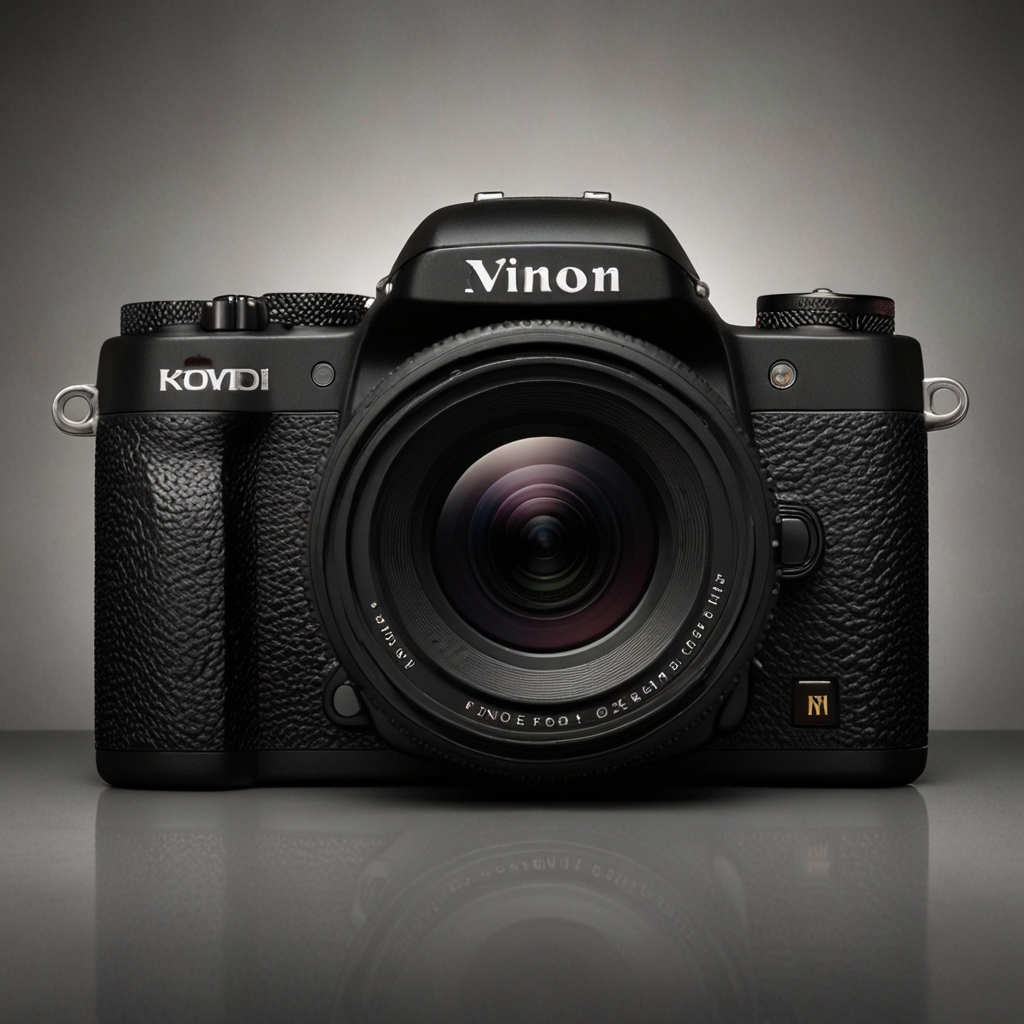
Understanding Sony Alpha a6000’s Cutting-edge BIONZ Processing
The BIONZ processing engine on the Sony Alpha a6000 differentiates itself from older models by delivering faster data conversion and improved noise reduction. The BIONZ engine in the Alpha a6000 contributes to exceptional image quality in varying light conditions by optimizing light sensitivity and color accuracy. Notable performance improvements in continuous shooting due to the BIONZ engine include the ability to capture up to 11 frames per second. The BIONZ engine enhances autofocus speed and accuracy by using advanced prediction algorithms and real-time processing. In video recording capabilities, the BIONZ engine offers smooth Full HD capture and low-light filming efficiency.
How does the BIONZ engine improve image quality specifically in low light conditions?
The BIONZ engine enhances low light image quality with specific algorithms like adaptive noise reduction and detail preservation. This engine manages noise reduction by applying selective noise reduction techniques, ensuring that image details are not sacrificed. A user can optimize the BIONZ engine for low-light shoots by adjusting ISO settings and using built-in creative styles. Compared to competitors, the BIONZ engine excels in low-light performance by providing cleaner images and higher detail retention. The noise reduction capability of the BIONZ engine in low light ranges comfortably up to ISO 25600, ensuring excellent image quality. Testing confirms that the Sony Alpha a6000 Mirrorless delivers consistent outcomes.

BIONZ Image Processing in Sony a6000: Speed and Efficiency
The speed of the BIONZ engine directly affects overall camera responsiveness by enabling immediate image processing and reduced lag times. Burst shooting rates achievable with the a6000 due to the BIONZ engine include capturing up to 11 frames per second. The BIONZ engine handles real-time image processing and preview efficiently with reduced latency and swift rendering. Efficiency improvements in power consumption by the BIONZ engine make extended shooting sessions more practical and reduce battery drain. The BIONZ engine is vital for professional photographers using the Sony Alpha a6000, as it offers excellent performance and speed for rapid shooting scenarios and consistent output quality.

What are the burst shooting capabilities enabled by the BIONZ engine?
The Sony Alpha a6000, powered by the BIONZ engine, can achieve up to 11 frames per second in burst mode. The BIONZ engine maintains image quality during continuous shooting by optimizing each frame’s processing. Buffer limitations while shooting in burst mode allow the Alpha a6000 to capture fast bursts without significant delays. The BIONZ engine manages autofocus during burst shooting with predictive algorithms, ensuring the subject remains in focus. The maximum number (up to 21 RAW images) of continuous shots the a6000 can take at 11 fps, making it great for capturing high-speed action sequences.