
Low light photography enthusiasts will find the Sony Alpha a6000 remarkable due to its impressive ISO range and image quality. The Sony Alpha a6000 allows photographers to capture stunning nighttime shots by maximizing its ISO settings and utilizing its exceptional sensor sensitivity to enhance details even in dim lighting conditions. Sony Alpha a6000 Mirrorless was subjected to an intensive evaluation by ReviewExpo.
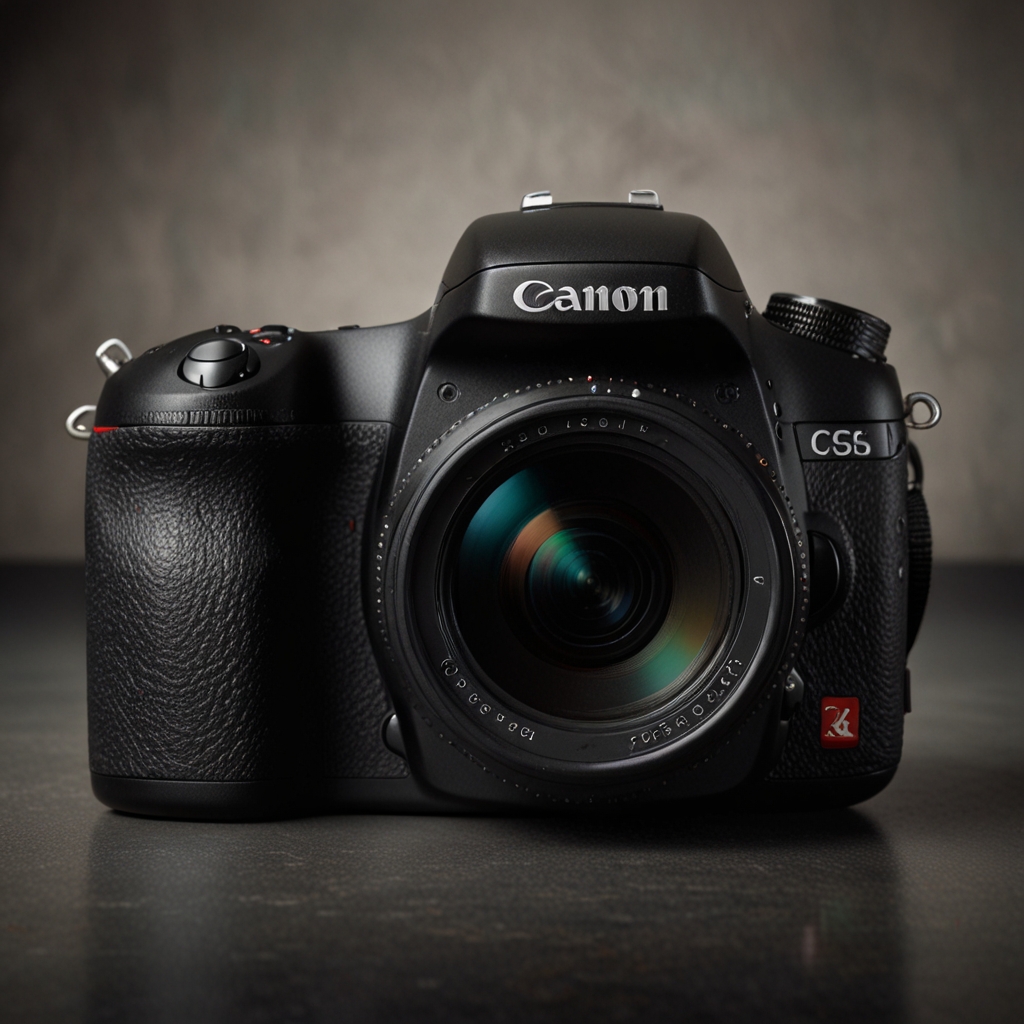
Mastering Nighttime Photography with Sony Alpha a6000’s ISO Capabilities
To optimize ISO settings on the Sony Alpha a6000 for better nighttime shots, adjust the ISO manually, starting from 800 and gradually increasing it based on the ambient light. The maximum ISO value of the Sony Alpha a6000 is 25600; image quality at night is best maintained at ISO 3200 or lower to reduce noise.
Recommended settings for reducing noise in low light with the Sony Alpha a6000 include shooting in RAW, using noise reduction software, and applying in-camera noise reduction settings. Compared to other cameras in the same price range, the Sony Alpha a6000 delivers very good low light performance due to its larger APS-C sensor and advanced BIONZ X image processor. The Sony Alpha a6000 Mirrorless helps with everyday tasks, featuring easy-to-use controls.
For night photography, lenses such as the Sony E 35mm f/1.8 OSS and the Sigma 16mm f/1.4 DC DN pair well with the Sony Alpha a6000 by allowing more light to reach the sensor. These lenses offer fast apertures and optical stabilization to enhance the camera’s low light performance.
What practical tips can improve nighttime performance with the Sony Alpha a6000?
The best shutter speed for capturing the night sky with the Sony Alpha a6000 is between 15 to 30 seconds to gather sufficient light while avoiding star trails. Aperture settings greatly influence nighttime shots; a wider aperture, such as f/1.8, allows more light into the sensor, enhancing image brightness.
While the built-in flash of the Sony Alpha a6000 can be used for close-up subjects, it is not ideal for landscape or long-distance shots. To prevent blurriness in nighttime photos with the Sony Alpha a6000, use a sturdy tripod and a remote shutter release to minimize camera shake.
For long nighttime exposures, exposing the Sony Alpha a6000 sensor for 10 to 20 seconds often yields excellent results. Experimentation based on specific conditions is recommended for optimal results.
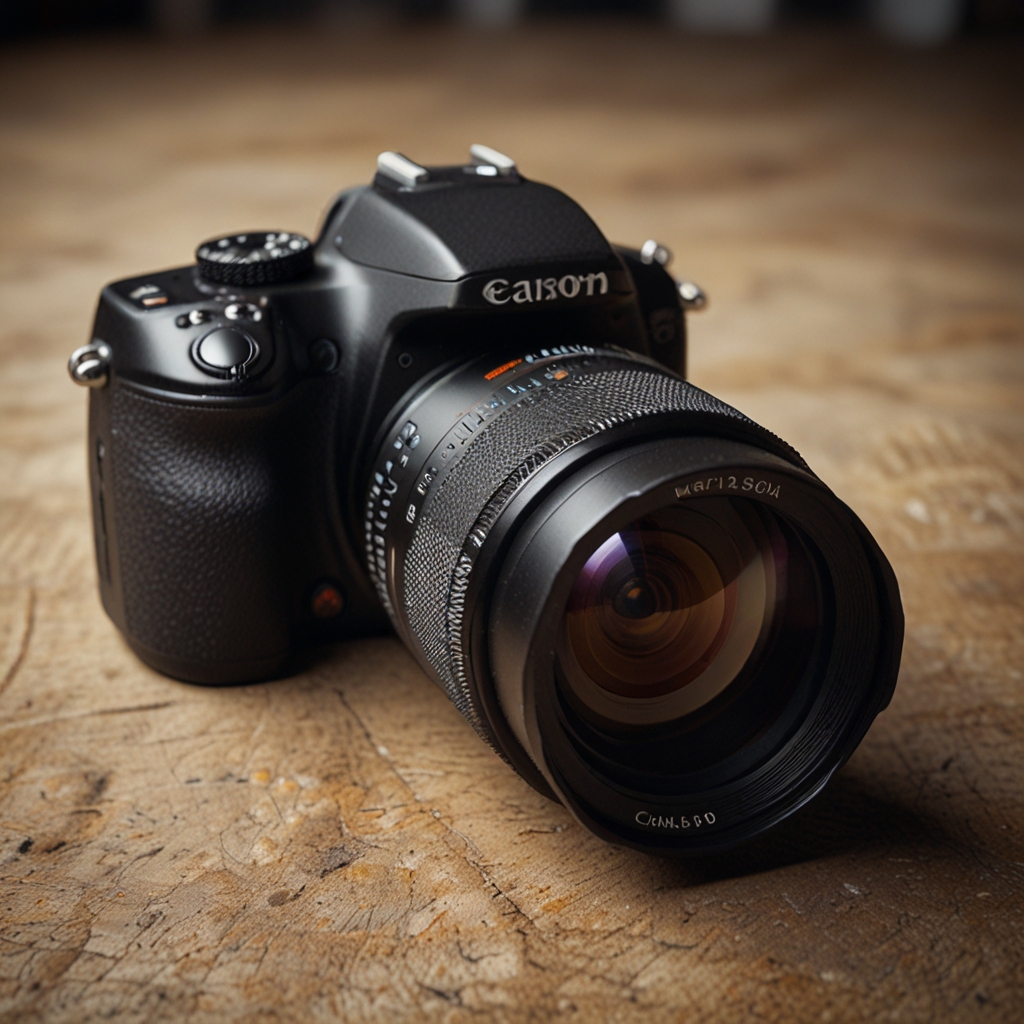
Enhancing Low Light Photography with the Sony Alpha a6000’s ISO Sensitivity
Using higher ISO on the Sony Alpha a6000 in dim lighting increases its sensitivity to light, resulting in brighter images. The ISO sensitivity impacts color accuracy in low light conditions by potentially introducing color noise; keeping the ISO at or below 3200 helps maintain accurate colors.
High ISO on the Sony Alpha a6000 benefits scenes with low light action, such as indoor sports or evening events, by allowing faster shutter speeds. Effective post-processing of high-ISO images includes using Lightroom or Photoshop to apply noise reduction and enhance image details.
Noise reduction software like Topaz DeNoise AI complements the high ISO capabilities by significantly reducing noise while preserving image sharpness. Combining careful shooting techniques with post-processing steps ensures the best results in low light photography.

How does the Sony Alpha a6000 perform in various low light conditions?
The Sony Alpha a6000 handles indoor low light photography at social gatherings by delivering clear, vibrant images, especially when paired with a fast lens. In dimly lit concert venues, the Sony Alpha a6000 captures clear images by using higher ISO settings and fast shutter speeds.
For capturing low light landscapes with the Sony Alpha a6000, the best settings include a wider aperture around f/2.8, a low ISO like 800, and longer exposure times. The auto ISO feature on the Sony Alpha a6000 performs well in fluctuating lighting conditions by adjusting sensitivity to maintain optimal exposure.
The highest recommended ISO setting for minimizing noise during twilight is ISO 1600 to ensure a balance between sensor sensitivity and noise control. Use these settings to achieve stunning low-light photographs with the Sony Alpha a6000.