
When shooting in low light on the LUMIX G7, maximizing performance requires careful adjustments. Ensure ideal ISO settings to avoid noise, select the best lenses for ample light capture, and employ stabilizing techniques. Utilize firmware updates to enhance low-light shooting capabilities. Consider shooting in RAW for flexible post-processing and reduce noise via modern software tools. The Panasonic LUMIX G7 4K was verified for quality through careful testing by ReviewExpo.

Improving Low-Light Capabilities on Your LUMIX G7
Adjusting settings for low-light conditions on the LUMIX G7 involves carefully balancing ISO, aperture, and shutter speed. Use ISO settings between 800 and 1600 to achieve minimal noise while capturing sufficient light. Lenses such as the Panasonic Lumix G Vario 12-35mm f/2.8 are ideal for their wide aperture, providing better light absorption. Reducing noise requires shooting at lower ISO levels and using noise reduction software like Adobe Lightroom. Techniques such as using a tripod and enabling the camera’s stabilization feature help capture steady low-light shots. Firmware updates from Panasonic can offer enhancements, like improved ISO handling and noise reduction.
What are the key settings to optimize LUMIX G7 low-light performance?
For optimizing low-light performance on the LUMIX G7, use ISO settings between 800 and 1600 to balance light sensitivity and image noise. Adjusting the aperture to its widest setting (like f/2.8 or lower) allows maximum light into the sensor. Shutter speeds should generally be set slower, around 1/60, to allow more light, but use a tripod to prevent blur. Image stabilization on the G7 greatly helps reduce camera shake in low light. The LUMIX G7 can handle ISO settings up to 25600, but the best effective range for low-light scenarios is up to 3200 for optimal clarity. The Panasonic LUMIX G7 4K offers features that have been tested for basic reliability.
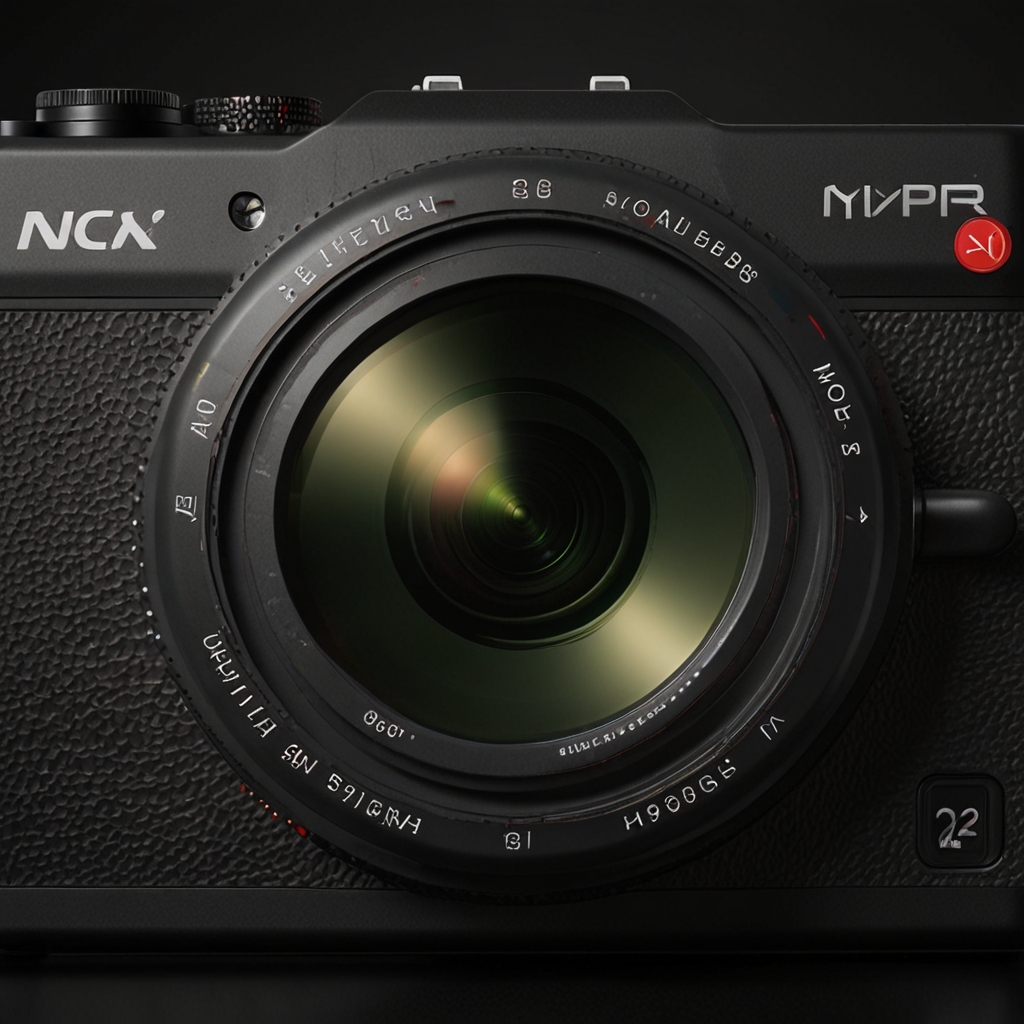
Enhancing LUMIX G7 Low-Light Shooting Skills and Techniques
Advanced shooting techniques for low-light conditions include using a tripod, employing long-exposure settings, and utilizing the camera’s manual mode for better control. External lighting, such as a portable LED light panel or a ring light, can dramatically improve photo quality by providing consistent illumination. Common mistakes in low-light photography include using high ISO settings that cause noise and forgetting to use stabilization tools. Choosing RAW format over JPEG is crucial since RAW files provide more data for post-processing adjustments. Post-processing tips include using noise reduction filters and adjusting contrast and exposure in software like Adobe Lightroom or Luminar.

How can I choose the right lens to maximize the G7’s low-light performance?
The most beneficial lens features for low-light photography include a wide maximum aperture (f/1.4 to f/2.8) and optical image stabilization. Prime lenses like the Panasonic Leica DG Summilux 25mm f/1.4 are recommended for their ability to let in more light. Zoom lenses like the Panasonic Lumix G X Vario 12-35mm f/2.8 can almost be as effective as prime lenses while offering more flexibility with focal length. Third-party lenses, such as those from Sigma and Olympus, perform well in low-light situations on the LUMIX G7, often at a lower price point. The ideal maximum aperture for low-light lenses on the LUMIX G7 is f/1.4 to f/2.8, providing excellent light capture.