
ReviewExpo is reader-supported: some links on this page are affiliate links, and as an Amazon Associate ReviewExpo earns from qualifying purchases at no extra cost to you. Learn more.
Cinema cameras come in two primary types based on sensor size: compact cinema cameras and full-frame cinema cameras. The choice between these types depends on whether you need a mobile, versatile setup or the maximum image area available for high-end production. You should identify your requirement for physical footprint versus sensor surface area before selecting a category. If your workflow requires a sensor size of 35.6mm or larger, you require a full-frame cinema camera.
Cinema Camera Types Among the Listings We Screened
| Type | What sets it apart | Listings we screened | Price range |
|---|---|---|---|
| Compact Cinema Cameras | sensor size up to 35.6mm | 1 | $1295 |
| Full-Frame Cinema Cameras | sensor size 35.6mm and up | 1 | $7779.95 |
Counted over the 17 listings this site screened; a listing that does not state the figure a type is defined by is not counted under any type.
Where these choices show up in our reviews
Prices across these 3 run from $5214.95 to $7779.95; each one has a full review here.
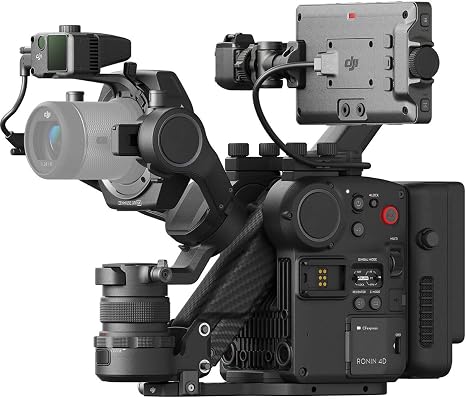


Compact Cinema Cameras
Compact cinema cameras are defined by a sensor size up to 35.6mm, allowing for a smaller body and more versatile mounting options. These cameras are for filmmakers who prioritize mobility, such as those filming in tight spaces, on handheld rigs, or in environments where a large footprint is impractical. Because the sensor is smaller, these units often provide a deeper depth of field compared to full-frame options, making them easier to keep in focus during fast movement.
Newcomers should start by learning how a cinema camera works and its basic functionality.
Lower price and resolution trade-offs for compact cinema cameras
The trade-off for this portability is a smaller total number of individual pixels on the image sensor. While these cameras provide high-quality results, they do not offer the same amount of image real estate as larger sensors. These models typically sit in a lower price band relative to full-frame systems, making them the standard choice for independent productions and commercial work that does not require the highest possible resolution.
How choosing the wrong sensor size limits framing options
A common mistake is selecting a compact camera for a project that requires extreme close-up work where a larger sensor would have provided more usable space. Choosing the wrong size can result in a crop that limits your framing options during the shoot. A filmmaker starts by identifying the space they will work in, finds that a compact body fits the rig, and ends up with a highly mobile production. They then proceed to choose a specific model that meets their required frame rate and bit depth.
Full-Frame Cinema Cameras
Full-frame cinema cameras are defined by a sensor size of 35.6mm and up, providing the maximum surface area for capturing light and detail. These cameras are for high-end productions where image depth and maximum resolution are the primary requirements. The larger sensor allows for a shallower depth of field, which is a preferred aesthetic in high-end cinema for isolating subjects from the background.
High data and color depth of full-frame cinema systems
These cameras provide significantly more data for color grading and high-dynamic-range workflows. However, the larger sensors require larger lenses and more robust bodies, which can make them harder to balance on handheld rigs or place in cramped locations. Full-frame systems occupy the highest price band in the cinema camera category. They are the standard for high-resolution full-frame production and color depth, providing the highest ceiling for image quality.
For a deep dive into the hardware, see our full review of the Sony FX6.
How full-frame camera weight can limit production mobility
If you choose a full-frame camera for a project that requires extreme mobility, you may find the weight of the lens and body limits your movement. This can lead to a slower production pace as the crew struggles to reposition the gear. A filmmaker identifies a need for maximum image depth, selects a full-frame system, and ends up with the highest possible production value. They begin by checking their lens availability, find the full-frame requirements met, and proceed to secure the camera.
How the ARRI Alexa 35 sets industry benchmarks for color science
The ARRI Alexa 35 serves as the industry benchmark for color science and dynamic range in high-end cinema. When evaluating the data for the cameras on this page, the ARRI Alexa 35 represents the pinnacle of color depth and dynamic range. While the cameras on this page offer various sensor sizes and resolutions, they are measured against this standard for how they handle complex lighting and color reproduction.
The Sony Venice 2 as the benchmark for full-frame performance
The Sony Venice 2 is the standard for high-resolution full-frame production and color depth. This camera represents the benchmark for what a full-frame sensor can achieve in a professional filmmaking environment. The cinema cameras evaluated on this page provide different paths to high-quality imagery, but the Sony Venice 2 remains the reference point for the highest tier of full-frame performance.
If you prefer refurbished gear, see our full review of the Amazon Renewed Sony FX6.
Cinema Camera Type Comparison
| Cinema Camera Type | Best-Fit Buyer | Main Advantage | Main Compromise |
|---|---|---|---|
| Compact Cinema Cameras | Independent filmmakers and mobile crews | Portability and smaller footprint | Smaller sensor surface area |
| Full-Frame Cinema Cameras | High-end production and studio work | Maximum image depth and resolution | Larger size and higher cost |
How to Tell Which Cinema Camera Type You Need?
To determine if you need a compact cinema camera, check if your filming environment involves tight spaces or requires a rig that can be easily moved by one person. If you need to operate in a space where a large camera body would be a physical obstacle, the compact category is your requirement. These cameras are designed for situations where the camera must go where the action is, without the bulk of a full-frame system.
When a project requires the maximum resolution of full-frame sensors
To determine if you need a full-frame cinema camera, check if your project requires the shallowest possible depth of field or the highest possible resolution. If you are filming high-end commercials or feature films where the aesthetic of a large sensor is required, you need a full-frame system. These cameras are the correct choice when the priority is the maximum amount of image data and the most expansive sensor surface available.
How existing lens ecosystems influence the choice of cinema camera
If you are unsure, evaluate the lens requirements for your project. If you already own a large set of professional lenses designed for large sensors, a full-frame cinema camera allows you to utilize that existing ecosystem. If you need to switch between different focal lengths quickly in various environments, a compact cinema camera provides the flexibility to adapt to changing conditions rapidly.
Browse our other filmmaking camera pages
- Cinema Cameras for 6K Video Under $3000 Compared
- Choosing the Best Cinema Camera for Handheld Shooting
- Capturing Cinematic Footage for YouTube Content With a Cinema Camera
- Which Cinema Camera Works Best for Professional Wedding Videography?
- The Cinema Cameras That Provide High Dynamic Range Video for Commercial Ads Under $8500
- Best Entry-Level and Mid-Range Cinema Cameras