
ReviewExpo is reader-supported: some links on this page are affiliate links, and as an Amazon Associate ReviewExpo earns from qualifying purchases at no extra cost to you. Learn more.
A cinema camera is a filmmaking camera designed to capture high-quality motion picture footage using specialized sensors and internal processing. You need a cinema camera when your project requires a high dynamic range or the ability to record for long durations without the device overheating. You should measure your required recording time and the lighting conditions of your set to determine if a standard camera meets your needs or if you require a dedicated filmmaking camera.
Cinema cameras provide stable thermal management and consistent visual styles
Standard cameras often prioritize rapid burst shooting or high-resolution still photography, which can lead to issues like rolling shutter distortion or rapid battery drain during continuous filming. Cinema cameras solve these problems by prioritizing sustained data throughput and thermal management. They allow a filmmaker to maintain a consistent visual style over several hours of production, ensuring that the image remains stable and the colors remain consistent from the first take to the last.
How a Cinema Camera Works
The process of capturing footage in a cinema camera follows a specific sequence of physical and digital operations to ensure the final image is stable and high-quality.
- Light enters the lens and hits the sensor, where it is converted into electrical signals.
- The sensor processes these signals into a digital image based on the chosen bit depth and color space.
- The internal processor applies metadata and applies compression if the user selects a codec like ProRes or DNxHR.
- The data is written to a storage medium, which must have a high enough write speed to prevent a bitrate bottleneck.
- The cooling system manages the heat generated by the processor and sensor during this continuous cycle.
Cinema Cameras we have reviewed in detail
Prices across these 3 run from $1099 to $6699; each one has a full review here.
For a versatile professional option, see our full Sony FX6 review for a deep dive into its capabilities.

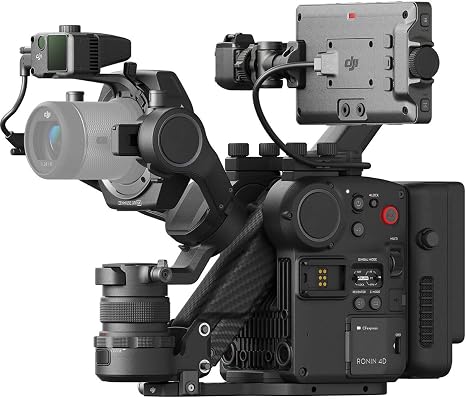

Parts and Stages That Matter to a Buyer
Several technical specifications determine how a cinema camera handles specific environments and what it can produce in a final edit.
How Sensor Size Affects the Image
If you need to capture wide landscapes with a shallow focus, a larger sensor provides the physical surface area required to resolve those details.
How Flange Focal Distance Impacts Lenses
Flange focal distance dictates which lens mounts are physically compatible with the camera body. This is the distance between the lens mount and the sensor plane. If a camera has a short flange distance, it can use a wider variety of lenses, including those from different systems. Choosing a specific mount, such as the EF/PL Mount or L-Mount, determines the lens ecosystem compatibility and physical flange distance limits for your kit.
Compact creators might prefer to see how the Sony FX3 performs in our detailed spec breakdown.
The Role of the Cooling System
The cooling system prevents thermal shutdown during extended recording by moving heat away from the internal components. Without an active cooling system, a camera may stop recording after 15 to 30 minutes of high-resolution footage. For professional work, a dedicated cooling solution ensures the camera can run for hours without a break to cool down.
Choosing Between RAW and ProRes/DNxHR
The choice between RAW vs. ProRes/DNxHR defines how much data you have available during the editing process. RAW records the unprocessed data from the sensor, offering maximum data flexibility for color grading. ProRes and DNxHR are compressed workflows that are optimized for easier editing and faster playback on standard computers. If you need to do heavy color correction, RAW is the standard; if you need to edit quickly on a laptop, compressed workflows are more practical.
What Having a Cinema Camera Changes in Practice
A cinema camera changes the way a production handles lighting and movement. In low-light environments, a cinema camera often provides a cleaner image because it can maintain a high signal-to-noise ratio. This means the shadows in your footage remain smooth rather than appearing grainy or “noisy.”
If you prefer a pre-owned option, find out how the Sony FX6 performs in our renewed unit analysis.
How cinema camera sensors prevent rolling shutter distortion during action
In practical terms, the difference shows up when you are filming a long interview or a continuous action sequence. A standard camera might struggle to stay cool or might produce a “choppy” look due to rolling shutter distortion, where fast-moving objects appear skewed. A cinema camera minimizes these risks by using sensors and processors designed for constant motion.
The difference does not show up as much in short social media clips or static shots where the camera is stationary and the lighting is bright. In those cases, the extra cost of a cinema camera might not provide a visible improvement over a standard high-end camera.
How does the dual native ISO perform in low-light environments compared to others?
Dual native ISO performs in low-light environments by providing two different “base” sensitivity levels for the sensor. This allows the camera to switch to a high-sensitivity mode that maintains a clean image without adding significant electronic noise. It effectively gives the user two different starting points for exposure, improving performance in dim settings.
For stabilized operation, view our full Ronin 4D-6K review to see how it handles 6K footage.
How does it compare to other full-frame cameras for low-light cinematography?
A cinema camera compares to other full-frame cameras for low-light cinematography by offering specialized hardware like dual native ISO and superior thermal management. While a standard full-frame camera may have a similar sensor size, a cinema camera is built to sustain that performance over long periods. It avoids the sudden shutdowns or frame drops that can occur when a standard camera’s processor gets too hot.
Who Needs a Cinema Camera and Who Does Not
You need a cinema camera if you are producing long-form content, such as feature films, television series, or high-end commercials that require hours of continuous recording. It is also necessary if your workflow requires maximum data flexibility, such as heavy color grading on RAW files.
You do not need a cinema camera if you are primarily shooting short-form social media content, photography, or events where the total recording time per clip is short. If your budget is limited and your environment is well-lit, a standard high-end camera provides most of the same visual results without the added cost of a cinema-grade body.
The other filmmaking camera guides we have published
- The Cinema Cameras That Work Best for Small Productions
- Which Cinema Camera Is Best for Independent Filmmakers?
- Best Cinema Cameras for 4K Video
- Cinema Cameras for 6K Video Under $3000 Compared
- Choosing the Best Cinema Camera for Handheld Shooting
- Capturing Cinematic Footage for YouTube Content With a Cinema Camera